Plywood vs MDF vs Particle Board Cabinets: Which Material Wins?
- Share
- Issue Time
- Nov 13,2026
Summary
Plywood leads on moisture resistance and screw-holding, MDF takes the smoothest painted finish, and particle board is the budget pick. A head-to-head comparison by room, plus what actually determines how long a cabinet lasts.
Cabinet material comes down to three trade-offs: moisture resistance, finish quality and cost. Plywood is the strongest and most moisture-tolerant carcass option, MDF takes the smoothest painted finish, and particle board is the budget choice. ZoneIdeal builds carcasses in plywood or particle board depending on the project and the budget it has to meet, uses MDF for painted and machined door fronts, and specifies ENF-grade (up to 0.025 mg/m³) or E0-grade (up to 0.050 mg/m³) boards across its cabinetry — both inside the international safety baseline.
What Each Material Actually Is
Plywood
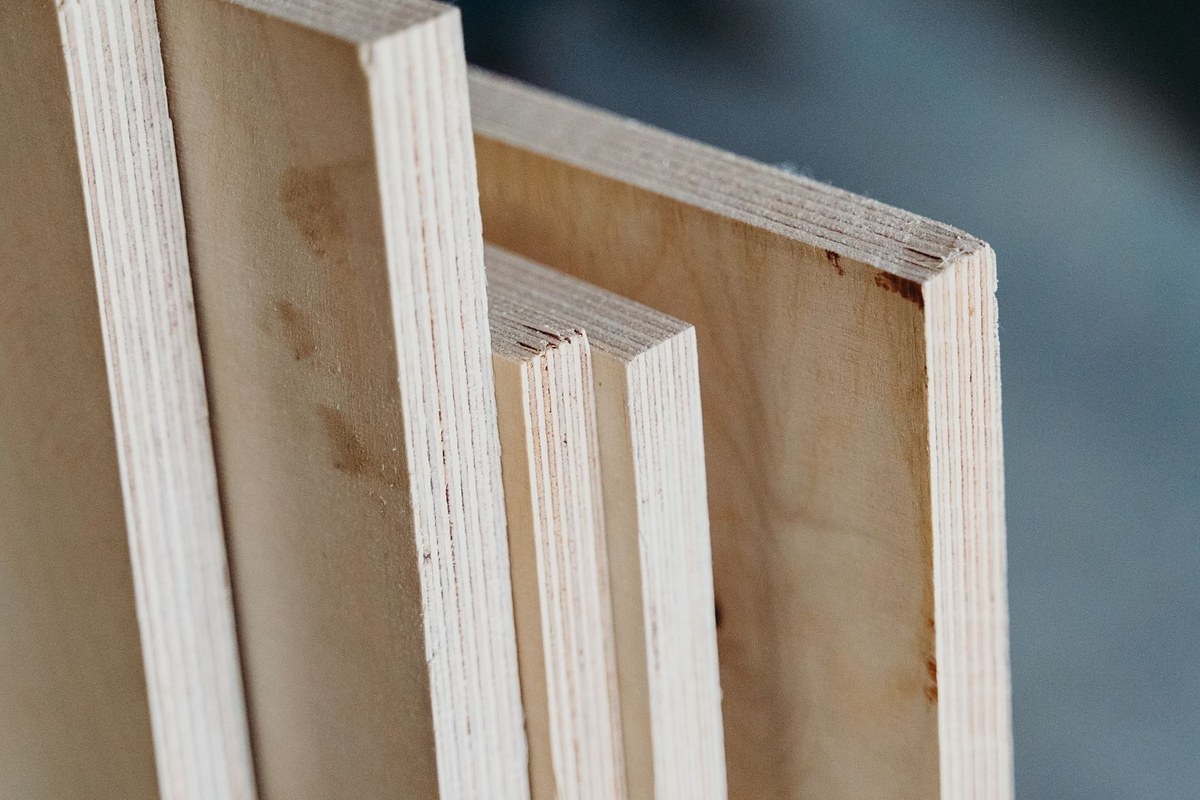
Thin layers of wood veneer glued in alternating directions. The cross-grain structure resists warping and holds screws and hinges reliably, which is why plywood is the default choice for cabinet carcasses, drawer boxes and any panel that will carry load or moisture.
MDF
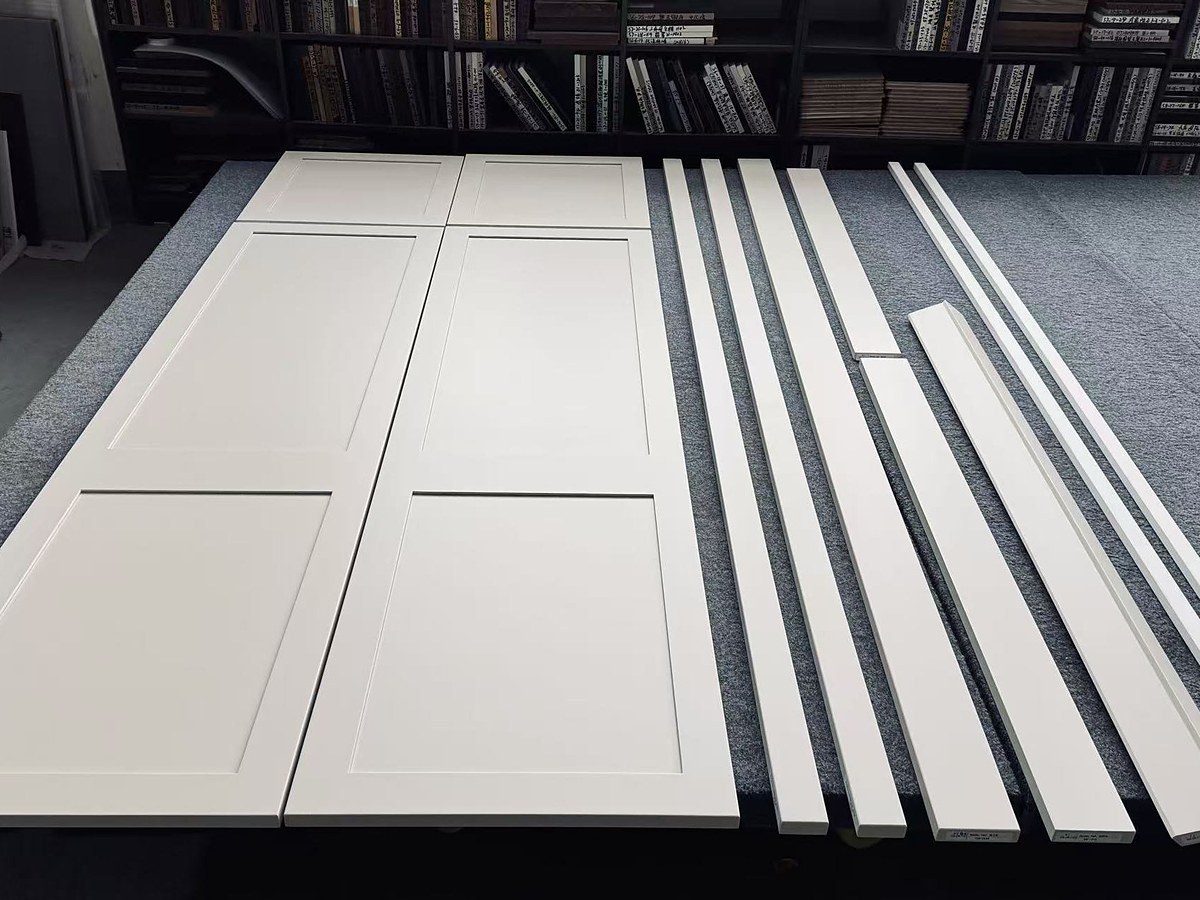
Wood fibres bonded under pressure into a dense, uniform board with no grain. That uniformity is its advantage: it machines cleanly and takes a sprayed finish with no grain telegraphing, making it the standard substrate for painted and lacquered door fronts.
Particle board
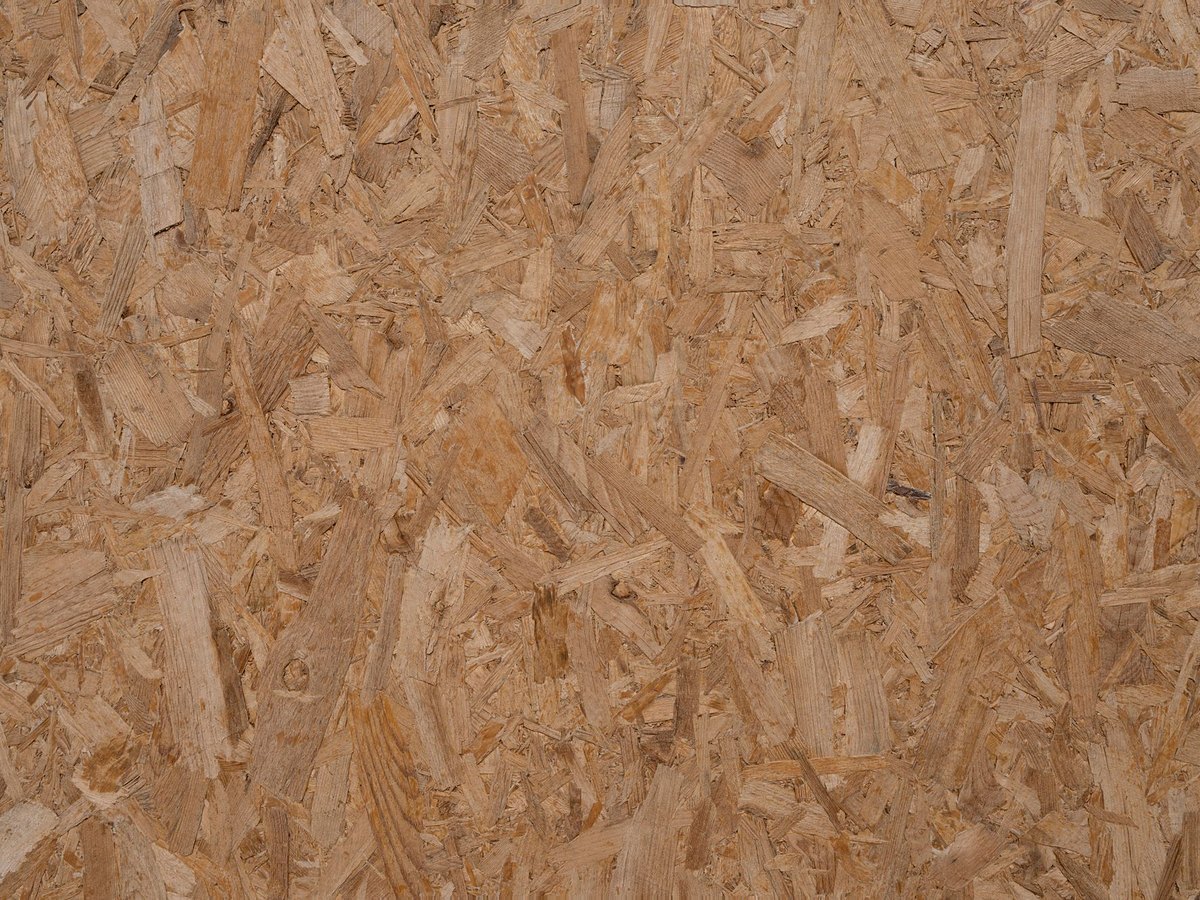
Wood chips bonded with adhesive and pressed into a panel. It is the most economical option and performs acceptably once fully faced and edge-banded, but raw edges and any water path into the core are its weak points.
Head-to-Head Comparison
| Consideration | Plywood | MDF | Particle board |
|---|---|---|---|
| Moisture tolerance | Best of the three; cross-layered core resists swelling | Swelling at raw edges if water reaches the core | Most vulnerable if unprotected |
| Painted finish quality | Good with a suitable substrate and primer | Best; dense and grain-free for a flawless spray finish | Acceptable only with full facing and sealed edges |
| Strength and screw-holding | Highest; holds hinges and drawer runners firmly | Good, but can crumble if repeatedly re-drilled | Lowest; hardware can loosen with use |
| Weight | Heavier per panel than particle board | Heavy and dense | Lightest |
| Relative cost | Highest | Mid | Lowest |
| Where it belongs | Carcasses, drawer boxes, wet zones, load-bearing runs | Painted doors, fronts, curved or routed details | Budget-standard boxes with a protected finish |
Which to Choose by Room
- Kitchen and bathroom: plywood carcasses with sealed, laser edge-banded panels. These are the rooms where humidity, splashes and frequent cleaning punish unsealed cores fastest.
- Painted and modern handleless fronts: MDF, because a uniform substrate is what makes a sprayed lacquer finish look like a painted wall rather than a wood panel.
- Wardrobes, studies and living room runs: the material matters less than the sealing and hardware; a well-finished board with quality runners will outlast a premium board with cheap fittings.
- Budget-driven standard layouts: particle board can work if every exposed edge is properly banded and nothing near it leaks.
The detail that decides lifespan is the edge, not the face. Most panel failures start at an exposed core. ZoneIdeal uses high-precision laser edge-banding with PUR hot-melt adhesive on every panel face — the ones you see and the ones you never will — creating a continuous seal around the panel core that blocks moisture penetration and keeps the material locked inside — a small production step with a long service life attached to it.
ZoneIdeal's Material Standard
Whichever panel a project calls for, the same baseline applies. ZoneIdeal specifies ENF-grade boards (up to 0.025 mg/m³) or E0-grade boards (up to 0.050 mg/m³) depending on the project and the destination market — both below the E1 baseline of 0.124 mg/m³ — and uses water-based and zero-VOC coating systems on lacquered and veneered finishes, and tests hinges, soft-close slides and lift-up mechanisms function by function before packing. Every panel is then individually labelled and barcoded so its dimensions, position and inspection result can be traced.
Common Questions
Is plywood always better than MDF?
No. For moisture and structural load, plywood wins. For a flawless painted door front, MDF is the better substrate. The mistake is using one material everywhere instead of matching it to the panel's job.
Can I mix materials in one kitchen?
Yes, and most well-specified kitchens do: plywood carcasses, MDF door fronts in a sprayed finish, and solid timber or veneer where a natural grain is wanted. See the material and finish options in the kitchen solutions section.
Do low-formaldehyde boards cost more?
ENF-grade panels sit at the strictest end of the formaldehyde scale (up to 0.025 mg/m³) and E0-grade panels are close behind (up to 0.050 mg/m³) — both stricter than the E1 baseline of 0.124 mg/m³ used in most markets. The board cost differs from standard panel grades, but at ZoneIdeal eco-grade material is the baseline specification for custom cabinetry rather than a paid upgrade.
Choose the material by the panel's job: plywood where moisture and load matter, MDF where the finish is the point, particle board where the budget leads and the edges can be properly sealed. Then judge the maker on how well those panel edges are protected.